
Discover the truth about protein nutrition for men — backed by evidence-based research
The information on this site is for educational purposes only and does not constitute medical advice. Always consult a qualified healthcare professional before making health decisions.
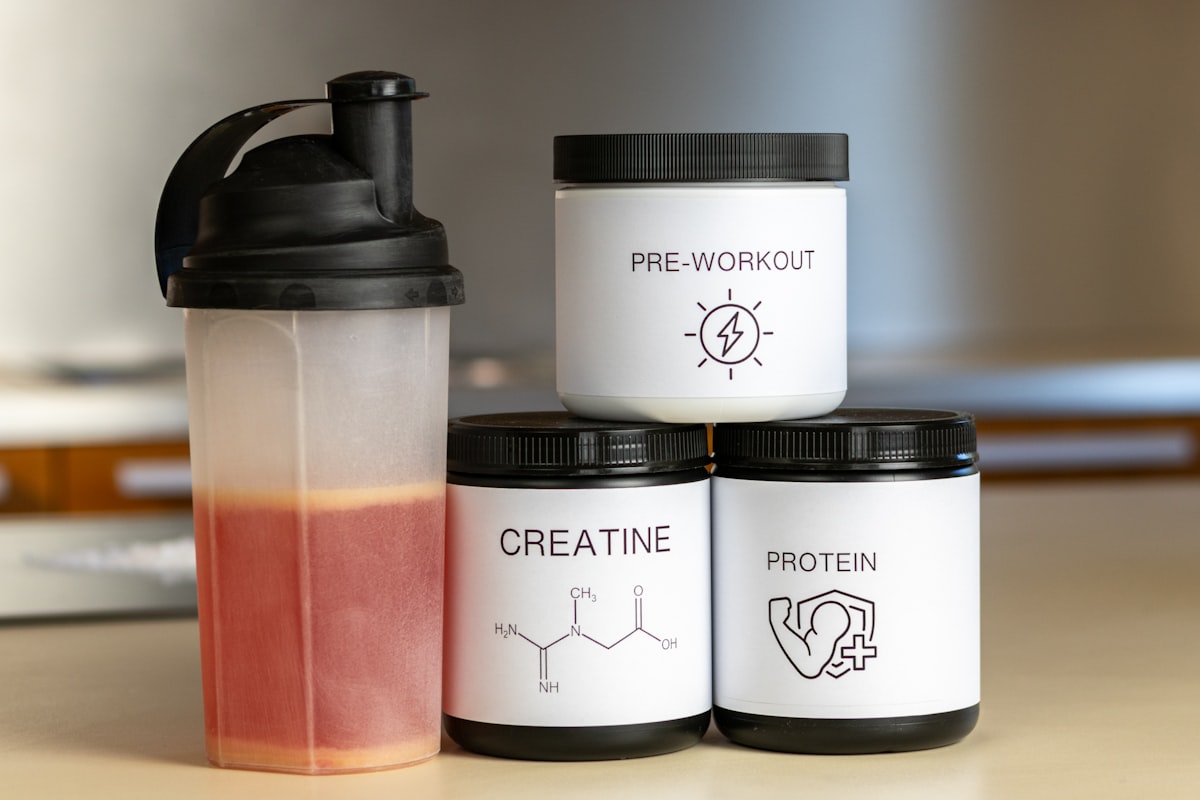
Transform Your Body With Science-Backed Nutrition
Nutritionist Mens Guide Lab provides comprehensive, research-driven guidance on protein intake, macronutrient balance, and optimal nutrition strategies designed specifically for men's fitness, strength, and overall health goals.
Why Protein & Nutrition Matter
Muscle Growth
Protein is the foundation for building and maintaining lean muscle tissue in men of all ages and fitness levels.
Energy & Performance
Balanced macronutrient intake fuels your workouts, enhances recovery, and supports peak physical performance.
Overall Health
Proper nutrition supports metabolic health, immune function, and long-term wellness for men.
Mental Clarity
Optimal nutrition enhances focus, mood, and cognitive function, improving quality of life.
Essential Nutrients Breakdown
Understanding the key macronutrients and micronutrients that every man needs for optimal health and fitness.
Protein
Essential for muscle repair and growth. Men typically require 0.7–1.0 grams per pound of body weight depending on fitness goals and activity level.
- Supports muscle development
- Aids post-workout recovery
- Increases satiety
Carbohydrates
The primary energy source for intense training and daily activities. Complex carbs provide sustained energy and fiber for digestive health.
- Powers workouts and training
- Replenishes muscle glycogen
- Supports digestive health
Healthy Fats
Essential for hormone production and nutrient absorption. Focus on unsaturated fats from nuts, seeds, fish, and avocados.
- Supports hormone balance
- Aids vitamin absorption
- Promotes brain health
Vitamins & Minerals
Micronutrients crucial for energy production, bone health, and immune function. Include zinc, magnesium, and B vitamins.
- Strengthens immune response
- Supports bone density
- Enhances energy metabolism
Dietary Fiber
Supports digestive health, stable blood sugar levels, and healthy cholesterol. Aim for 25-38 grams daily from whole foods.
- Improves digestion
- Regulates blood sugar
- Feeds beneficial gut bacteria
Hydration
Water is essential for nutrient transport, muscle function, and temperature regulation. Most men need 2.5-3.7 liters daily.
- Optimizes exercise performance
- Supports cognitive function
- Aids nutrient absorption
Your Personalized Nutrition Journey
Follow these key principles to optimize your nutrition and achieve sustainable health goals.
Assess Your Goals & Current Intake
Begin by defining your fitness objectives—whether strength building, muscle gain, or general health. Track your current eating habits for 3-5 days to understand baseline protein and calorie intake. This data helps create a realistic, personalized plan.
Calculate Your Macronutrient Targets
Determine your daily calorie needs based on age, weight, activity level, and goals. Typically, men aiming for muscle gain should consume 0.7-1.0 grams of protein per pound of body weight, with the remainder from carbs and fats adjusted to support your training intensity.
Build Your Meal Plan with Whole Foods
Create a sustainable meal plan focusing on whole food sources: lean meats, fish, eggs, legumes, whole grains, and vegetables. Plan meals around your training schedule, ensuring adequate protein post-workout for recovery and muscle synthesis.
Monitor, Adjust & Sustain
Track progress through both physical metrics (strength, body composition) and how you feel. Reassess every 4-6 weeks and make small adjustments to macros or meal timing based on results. Long-term success comes from consistency and adaptability, not perfection.
Why Choose Nutritionist Mens Guide Lab
We are committed to providing accurate, science-based nutrition information for men's health and fitness.

Evidence-Based Content
Every article and recommendation we publish is grounded in peer-reviewed research and current nutritional science. We avoid fads and focus on sustainable, proven strategies for real results.
- Research-driven: Every claim supported by scientific literature
- Practical advice: Real-world strategies you can implement today
- Individualized approach: Recognition that nutrition needs vary by person
- Constantly updated: New research integrated into our content
Community Feedback & Real Transformations
See what readers have experienced by applying our nutrition guidance.
"I've been following the protein intake guidelines for three months and the difference is remarkable. My strength gains are consistent, I feel more energized, and the meal planning advice made nutrition simple instead of overwhelming. This is the most practical resource I've found."
Arjun Prasad
Jakarta, Indonesia
"As someone who struggled with conflicting nutrition advice online, I found the evidence-based approach here invaluable. The articles on micronutrient needs for active men helped me understand deficiencies I didn't know I had. Highly recommend to anyone serious about proper nutrition."
Budi Santoso
Surabaya, Indonesia
"The step-by-step guide on calculating macros was exactly what I needed. I went from randomly eating to having a clear nutrition strategy. My recovery improved, my body composition changed in the right direction, and I finally understand nutrition instead of just guessing."
Ravi Kumar
Bandung, Indonesia
"Finally, someone explaining nutrition without selling expensive supplements or making unrealistic promises. The science is clear, the advice is honest, and the results speak for themselves. My gym performance has improved significantly thanks to optimizing my nutrition based on this guide."
Dimas Wijaya
Medan, Indonesia
Frequently Asked Questions
Common questions about protein, nutrition, and implementing these principles.
How much protein do I really need daily?
For most active men, aim for 0.7-1.0 grams of protein per pound of ideal body weight. This typically translates to 140-200 grams daily for a 200-pound man. The exact amount depends on your training intensity, age, and fitness goals. Higher protein intake supports muscle recovery and synthesis when combined with strength training.
Can I get enough protein from plant-based sources?
Yes, absolutely. Plant-based proteins include legumes (lentils, chickpeas, beans), soy products (tofu, tempeh), nuts, seeds, and whole grains. Combine different sources to get a complete amino acid profile. Many men successfully build muscle on vegetarian or vegan diets by being intentional about protein variety and quantity.
Is timing of protein intake important?
While total daily protein intake is most important, consuming protein around your workouts (within a few hours before and after) can optimize recovery and muscle protein synthesis. However, don't stress overly about the exact timing—consistency and total daily protein matter far more than hitting a specific post-workout window.
Should I track macros precisely every day?
Not necessarily. Tracking is a useful learning tool for 2-4 weeks to understand portion sizes and nutrition content of foods. After that, most people can eat intuitively using guidelines like "palm-sized protein portions, fist-sized carbs, thumb-sized fats" without obsessive tracking, while occasionally checking in to ensure they're on target.
What about carbs—are they essential for muscle building?
Yes, carbohydrates are valuable for providing energy for intense workouts and supporting recovery through muscle glycogen replenishment. While you don't need excessive carbs, eliminating them entirely often reduces workout performance. Most active men thrive with moderate to higher carb intake relative to their training intensity.
How do I know if my nutrition plan is working?
Monitor objective metrics: strength gains in the gym (increasing weights or reps), body composition changes (waist measurement, photos), and how you feel (energy, recovery, mood). Give any nutrition plan at least 4-6 weeks before assessing results. Track one main metric consistently—either weight, photos, or strength—to measure progress accurately.
Start Your Nutrition Transformation Today
Explore our comprehensive articles, guides, and evidence-based nutrition strategies designed specifically for men. Transform your body and health with science-backed information.